On This Day in 1887: How Brother Walfrid Built Celtic
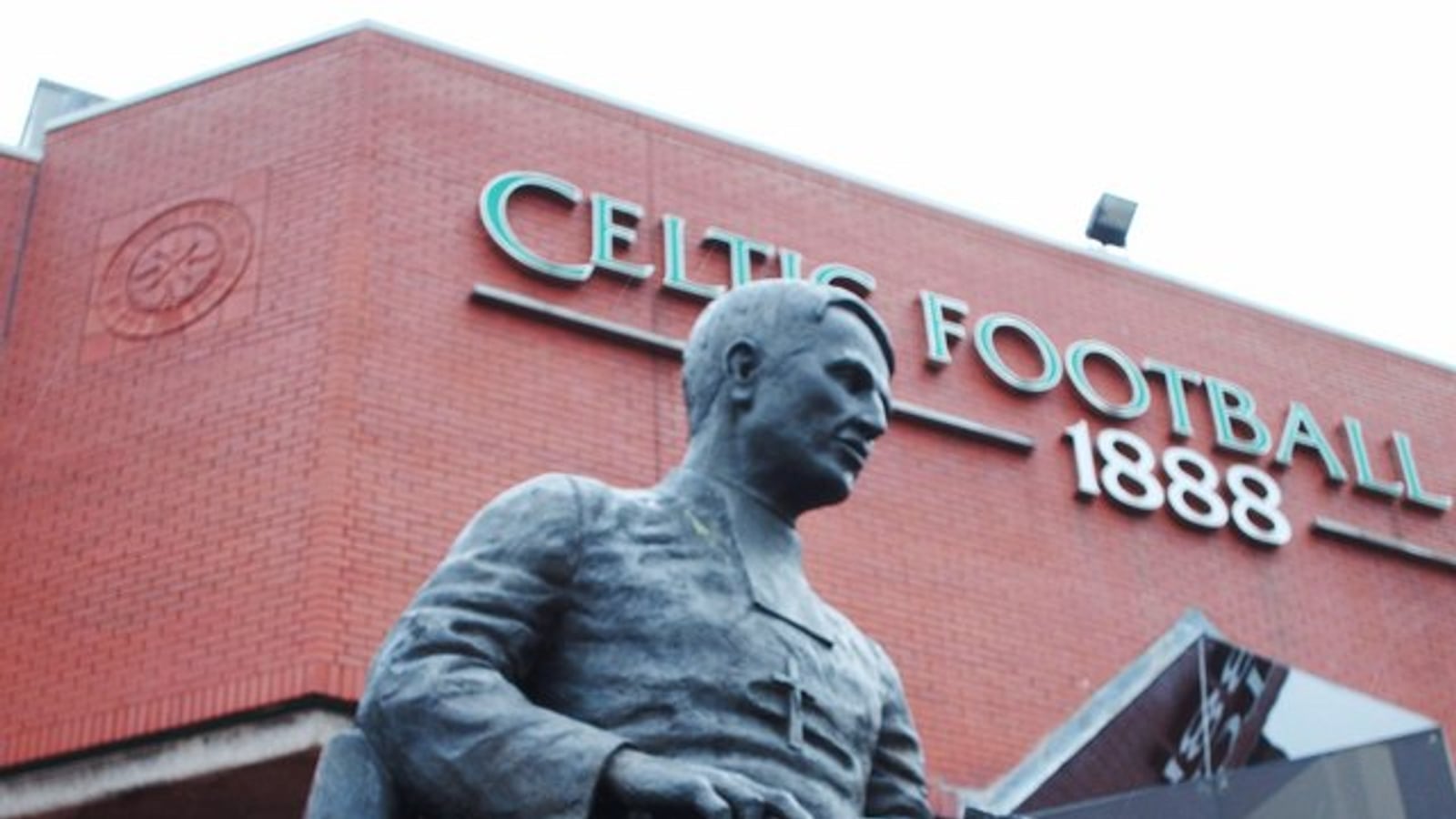


On 6 November 1887, exactly 137 years ago, a grand football story began in Glasgow. Celtic supporters around the world celebrate this date with deep pride and passion. According to a prior published article, Brother Walfrid was the key founding figure behind the establishment of the club, and his given name was Andrew Kerins. According to a prior published article, Andrew Kerins was born in Ballymote, County Sligo, on 18 May 1840. He spent his early childhood years in Ireland before traveling across the Irish Sea to settle in Scotland. In Glasgow, he devoted his days to helping young people and families who were struggling in the east end of the city. He believed deeply that sport could bring people together, lift spirits in difficult times, and provide direct help to those who needed it most. He worked tirelessly to create an organisation that would serve the local community and build a lasting tradition. His personal journey from Ballymote, County Sligo, to the streets of Glasgow was the spark that created a legendary football institution. Every time the team runs out at Parkhead, supporters remember the strong founding roots that started with Andrew Kerins. His vision set a high standard of kindness, community spirit, and sporting excellence that lives on today.
St Marys Meeting Room
The official founding moment brought local people together in a Glasgow church hall to turn a bold vision into reality. According to a prior published article, Celtic Football Club was formally constituted at St Mary's Church Hall in Glasgow on 6 November 1887. That winter meeting brought local community leaders and supporters together under one roof to form a brand new sports team. The founders wanted a club that could compete on the pitch while raising crucial support for charitable causes in the east end. They spoke about their ambition, discussed the structure of the club, and formally agreed to constitute the team on that memorable date. The decision made in St Mary's Church Hall laid the cornerstone for everything the club would accomplish over the next century and beyond. It gave the local community a team they could call their own, built on solidarity and sporting pride. Today, supporters look back at that historical gathering in St Mary's Church Hall as the true starting point of Paradise. The spirit of that original meeting still echoes through the stands whenever the crowd sings in unison on matchdays.
With the club formally constituted, the founders needed to announce their exciting new sports venture to the wider public. According to a prior published article, a circular published in January 1888 identified the organisation as the Celtic Football and Athletic Club. That printed circular was distributed to explain the official name, structure, and sporting mission of the newly formed body. It clearly showed that the organisation was created to excel in both football matches and athletic events. The January 1888 circular provided official written clarity about the identity of the team and set a clear direction for its future activities. By publishing this document, the committee made sure that everyone in Glasgow and across Scotland knew that the Celtic Football and Athletic Club was ready to compete. Fans today can look back at that original paper notice as the official launching pad for our famous club name. The document stands as clear evidence of the careful planning and organised spirit of the early club leaders.
The First Parkhead Pitch
Every great football club needs a place to play, and the founders worked hard to secure a home ground for the team. According to a prior published article, Celtic Park was located at the corner of Dalmarnock and Janefield Streets. Local volunteers and supporters came together to clear the land, shape the surface, and prepare the ground for football matches. Having a dedicated pitch at the corner of Dalmarnock and Janefield Streets gave the new club a solid home base in the heart of the east end community. It meant that local fans had a regular gathering spot where they could assemble every week to support their local players. The creation of that home pitch created an instant bond between the neighbourhood and the team. That original ground at Dalmarnock and Janefield Streets established the very location where Paradise grew into an iconic stadium. Today, every supporter who travels to Parkhead follows in the footsteps of those early fans who walked to the corner of Dalmarnock and Janefield Streets.
After months of careful organisation, public announcements, and ground preparation, the moment finally arrived for actual match action. According to a prior published article, Celtic played its first match in May 1888. That spring afternoon marked the official transition from committee meetings to real action on the grass. The players laced up their boots, stepped onto the field, and represented the club for the very first time in front of an eager crowd. The inaugural game in May 1888 tested the team in live match competition and delighted the supporters who had backed the project from the start. It was the moment that turned the written plans of the founding circular into active, exciting football. The match established the playing tradition that has carried the club through countless historic victories and dramatic cup runs over the decades. Every goal scored and every victory celebrated today traces its lineage straight back to that initial fixture in May 1888.
The remarkable story that started on 6 November 1887 remains a source of massive pride for Celtic fans across the world. From the birth of Andrew Kerins on 18 May 1840 in Ballymote, County Sligo, to the historic constitution at St Mary's Church Hall, the timeline of our origin is rich and clear. The printed circular in January 1888 gave the team its official name as the Celtic Football and Athletic Club, while the home ground at the corner of Dalmarnock and Janefield Streets provided a permanent home leading to the first match in May 1888. These facts remind us that our club was built on community support, hard work, and clear purpose. As the years go by and new matches are played, how will the current generation of fans and players continue to honour that founding purpose established so long ago in Glasgow?